
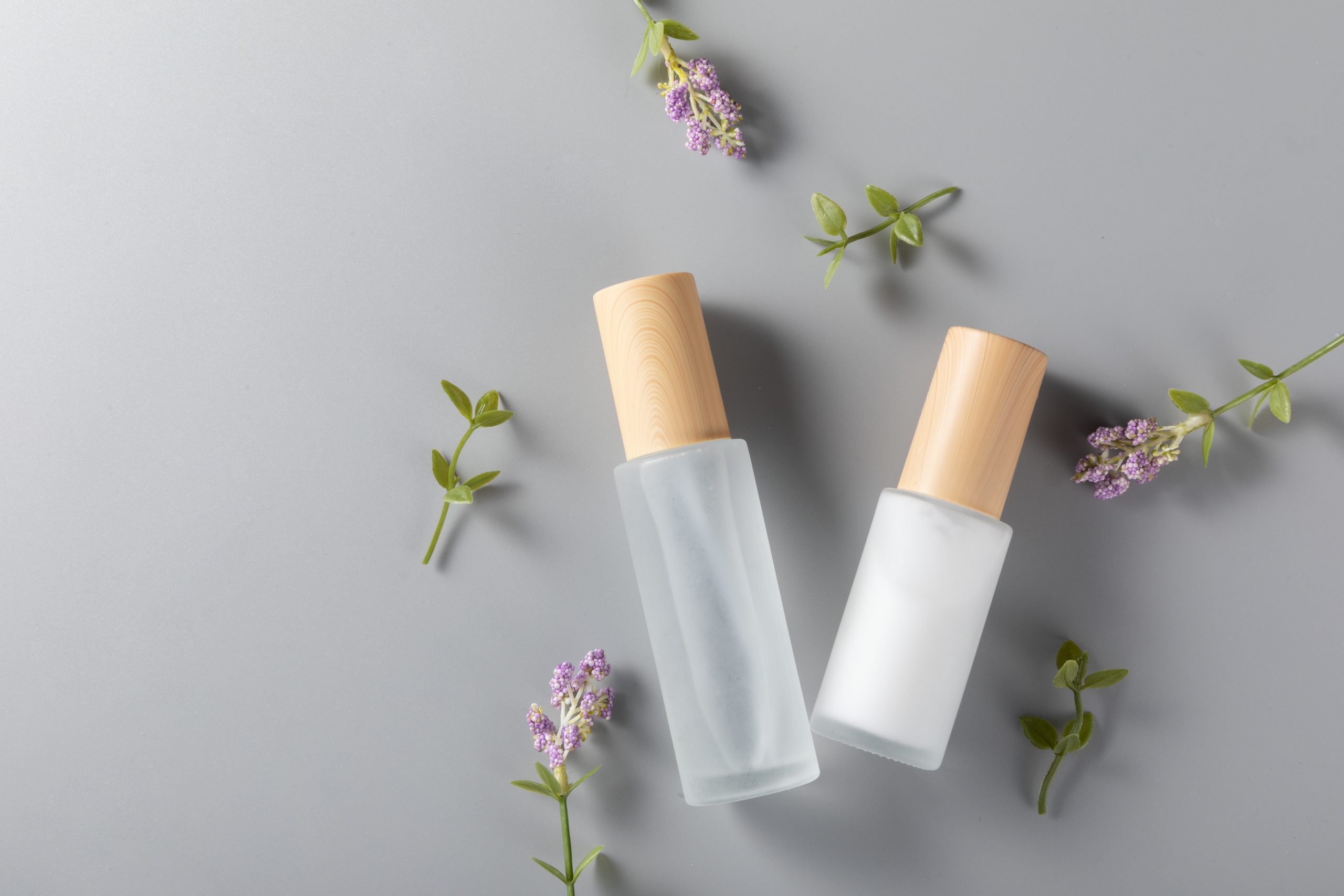
In the business lifecycle of a successful skincare brand, there comes a moment when you must outgrow your original packaging supplier. Whether your current supplier is suffering from frequent quality slip-ups, failing to keep up with your scaling inventory demands, or charging exorbitant prices that eat into your margins, switching to a new direct manufacturer is a smart operational move.
However, moving your supply chain to a new skincare packaging supplier requires extreme caution to avoid disrupting your market distribution. Use this sourcing manager’s transition checklist to ensure a seamless, zero-risk supplier migration.
Phase 1: Tolerance and Dimension Alignment
Never assume that a 30ml airless bottle from Factory A has the exact same external dimensions or thread tolerances as a 30ml bottle from Factory B.
Check the Outer Carton Fit: Even a 1mm difference in the height or diameter of the new bottle can mean it will no longer fit into your existing, pre-printed secondary paper boxes, causing them to crush or rattle. Request complete technical blueprint drawings from the new factory and compare them with your packaging line specs.
Evaluate Filling Machine Compatibility: Provide your contract manufacturer (CMO) with a physical sample of the new bottles immediately. Your CMO needs to verify that their automated filling nozzles and capping chucks can grip and process the new container shapes without requiring expensive machine re-tooling.
Phase 2: Double-Check Component Compatibility
Even if you are using the same type of plastic resin, such as Polypropylene, different factories use different raw material suppliers and structural lubricants.
Run an Accelerated 4-Week Lab Test: Place your formulation inside the new supplier’s airless bottles and bake them in a laboratory incubator at 45°C for 28 days. This accelerated test simulates 3 to 6 months of room-temperature shelf life, allowing you to check for any unexpected chemical separation, discoloration, or pump mechanism stress cracking before signing the mass production contract.
Phase 3: Managing the Inventory Cross-Over
To prevent stockouts on retail shelves, never cancel your contract with your old supplier until the new supplier has successfully passed pre-production testing.
Maintain a 2-month inventory buffer of your old packaging. When the first batch from the new factory arrives, implement a clear batch-number tracking system on your product boxes. This ensures that if any unexpected technical issues arise in the market, you can trace the problem directly to the specific factory line and isolate the inventory safely without harming your entire brand reputation.